What makes a cable tactical
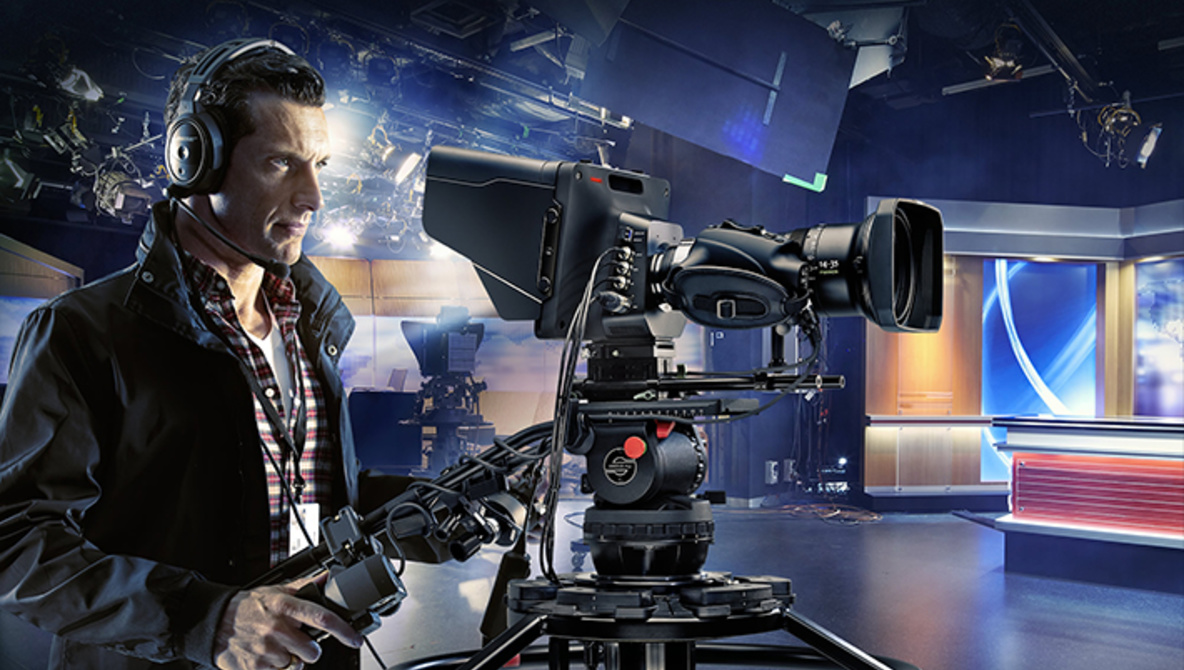
A tactical fiber cable is designed to be deployed, recovered and redeployed. It is unreeled across roads, fields and rooftops, driven over, dragged, rained on and wound back onto its drum, sometimes hundreds of times. Defense forces use tactical cable to link command posts, radar and communications shelters; broadcasters use it for outside broadcast camera and SDI runs; event and emergency crews use it for temporary networks.
That use case shapes every part of the specification. Work through the steps below and you will have everything a manufacturer needs to quote.
1. Fiber type and count
- Single-mode OS2 is the default for tactical cable. Lengths vary between deployments, links are often long, and single-mode reach barely changes with speed.
- Multimode OM3 or OM4 only if the end equipment uses 850 nm optics and every run is short.
- Count: the fibers you need plus spares. The connector channel count often sets the practical limit: 2 or 4 channels for hermaphroditic tactical connectors, more for MIL circulars.
2. Cable construction
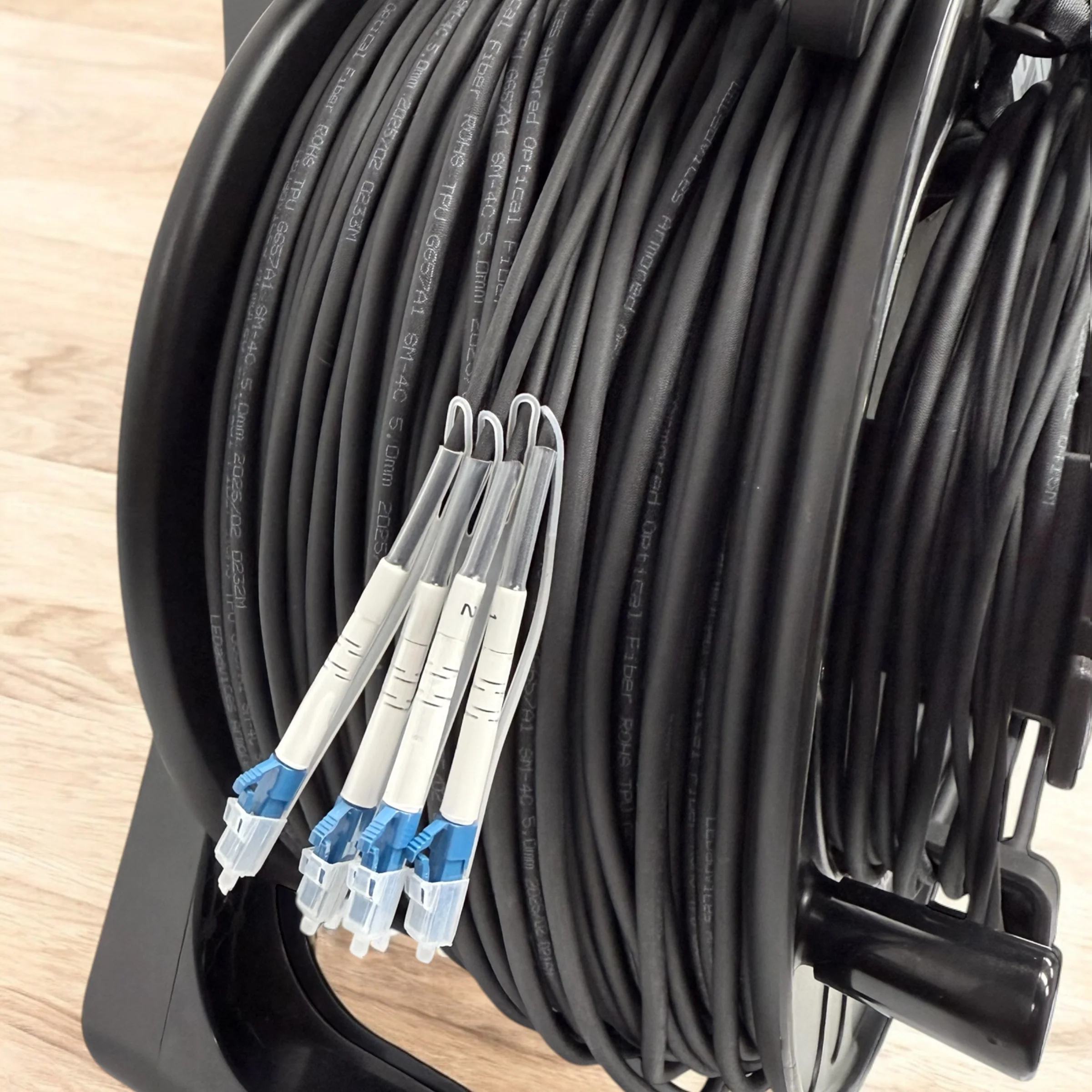
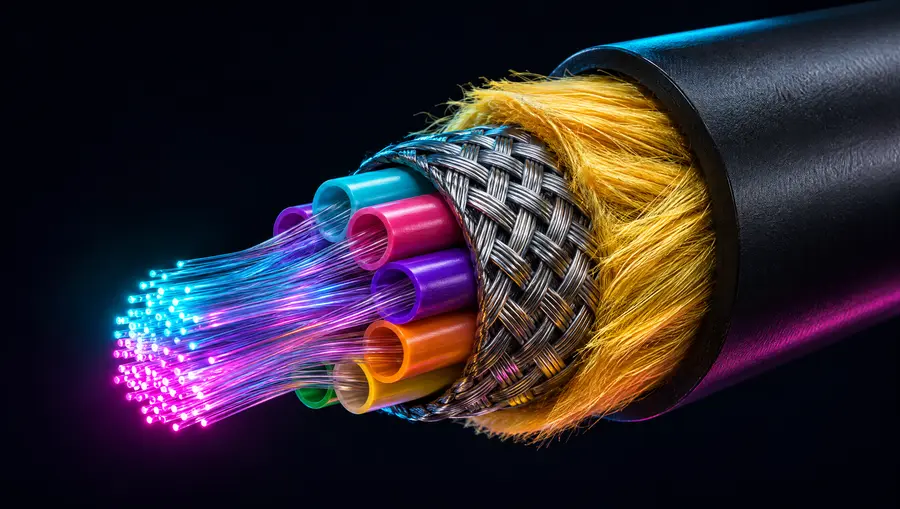
Tactical cables usually use tight-buffered fibers (900 µm) for handling robustness, aramid yarn strength members to carry pulling and drag loads, and an overall jacket. Breakout designs, where each fiber has its own sub-unit, are more robust still. Ask for the crush resistance, tensile rating (installation and long-term) and minimum bend radius, loaded and unloaded.
3. Jacket and armor
- Polyurethane (PU): the usual tactical jacket. Flexible in cold, abrasion and oil resistant.
- TPU / hytrel-type: tough, flexible jackets for repeated reeling.
- LSZH: where cables enter enclosed spaces such as shelters, vehicles or ships.
- Armor: stainless steel spiral or braid adds crush and rodent protection at the cost of weight and flexibility.
Color matters too: black or olive for defense, sometimes high-visibility for broadcast and events.
4. Connectors
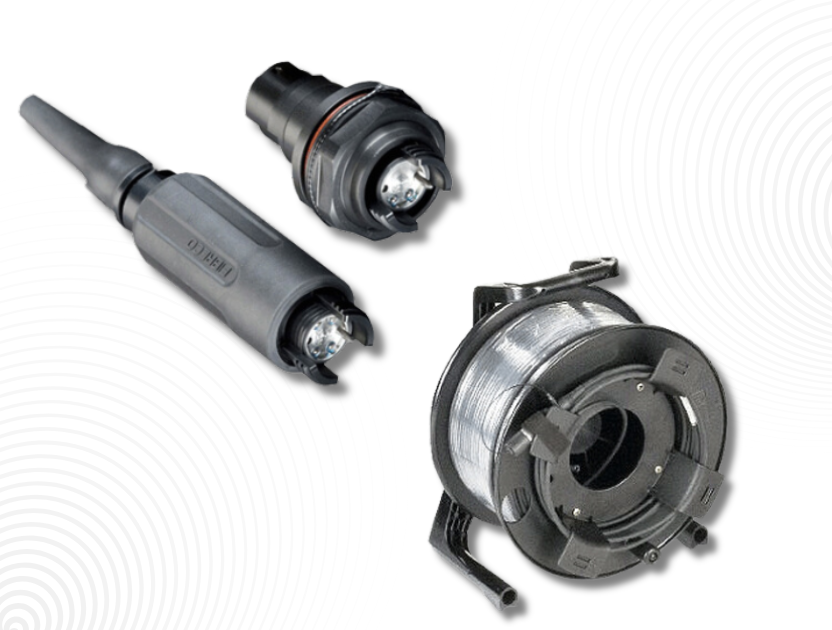
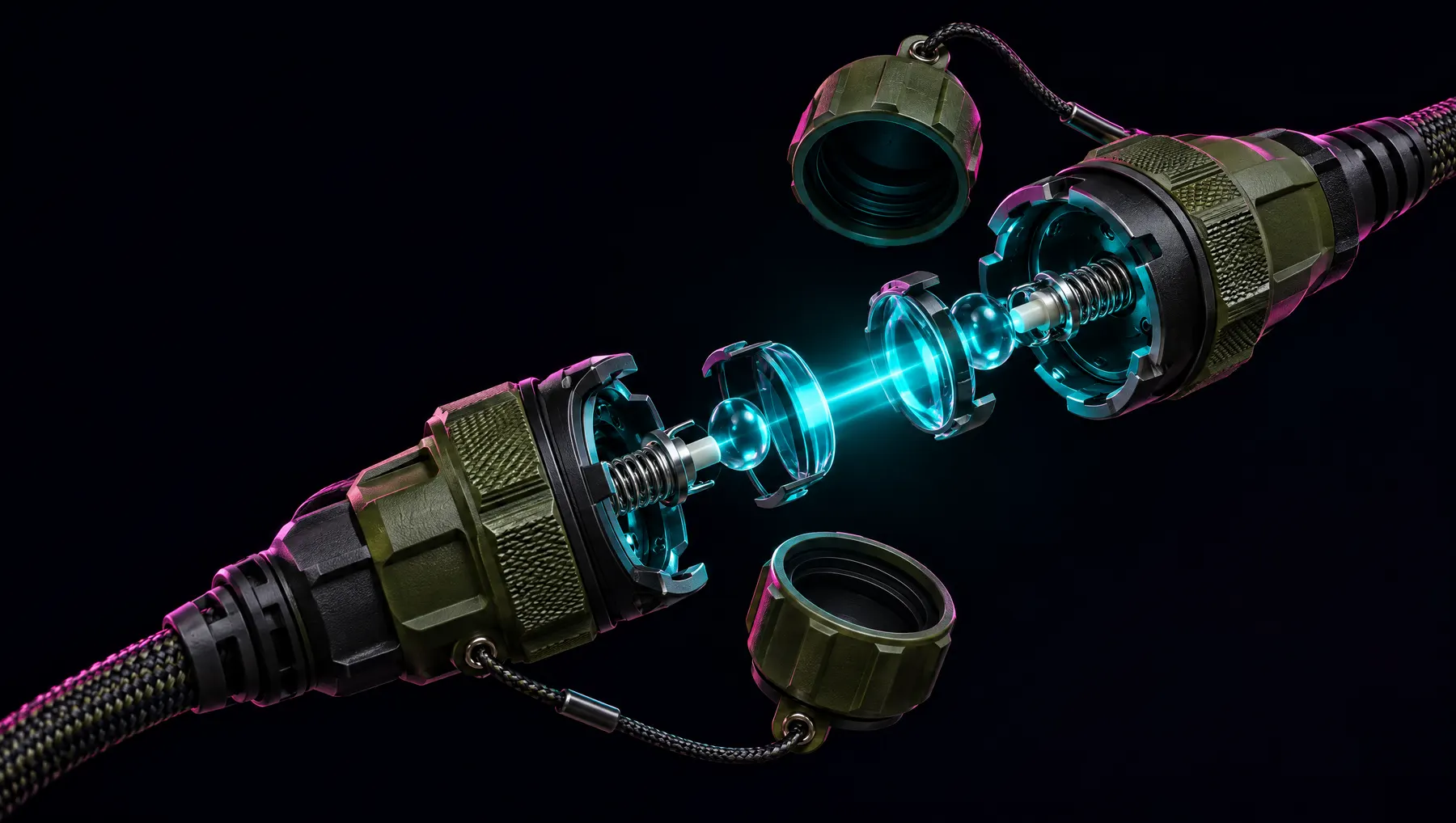
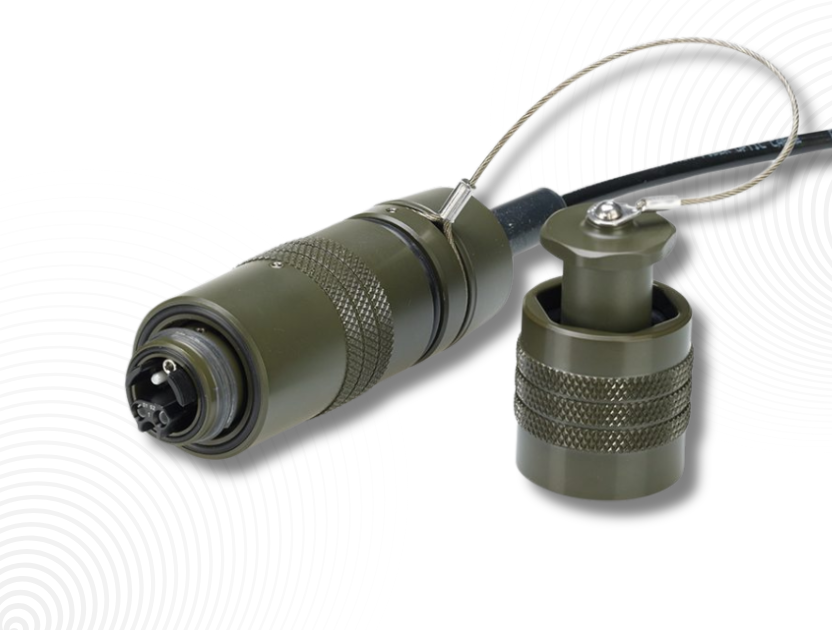
- Hermaphroditic (MIL-DTL-83526, TFOCA-II style): every end mates with every other, so reels can be daisy-chained without adaptors.
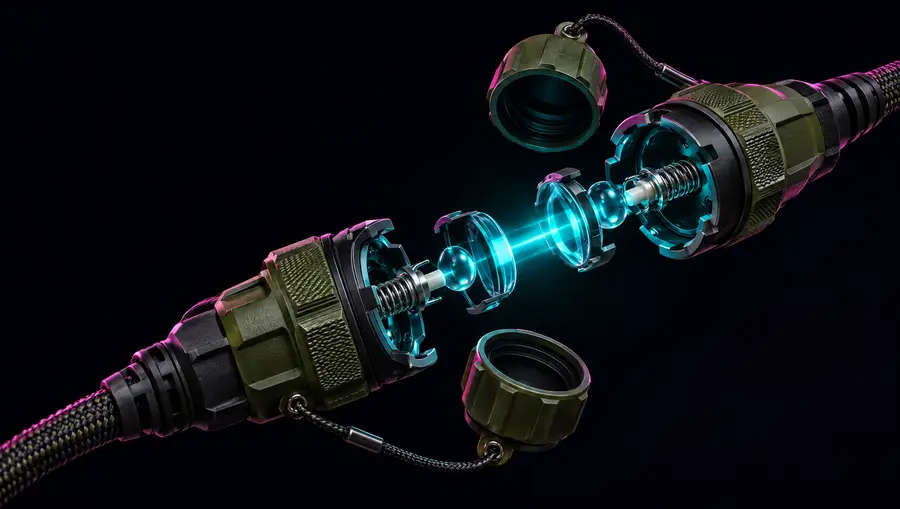
- Expanded beam: best tolerance of dust, mud and water, and easy to clean in the field.
- MIL-DTL-38999-style circular: for equipment and shelter interfaces.
- opticalCON-compatible or LC breakouts: common in broadcast and events.
Specify the connector at each end, plug or receptacle, and dust caps with lanyards. See expanded beam vs physical contact for the trade-off.
5. Length, reels and drums
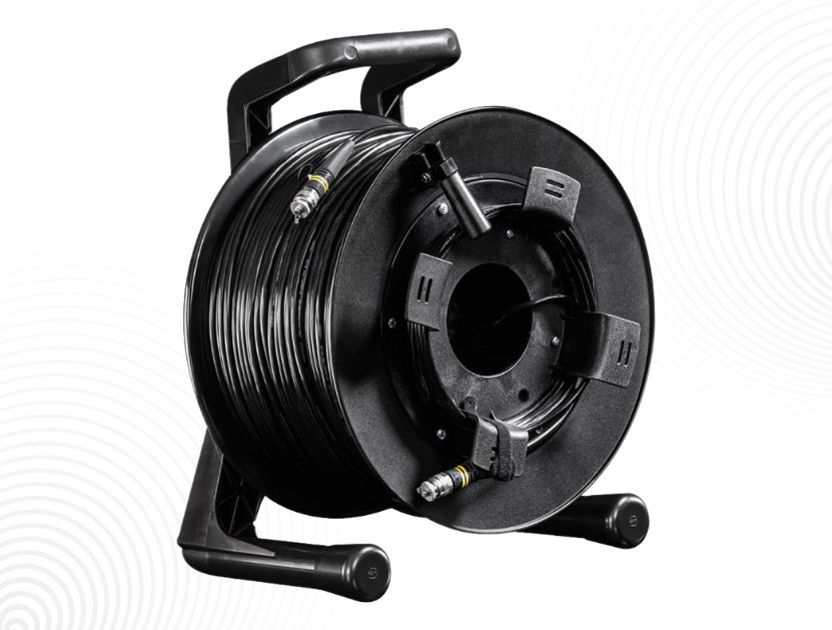
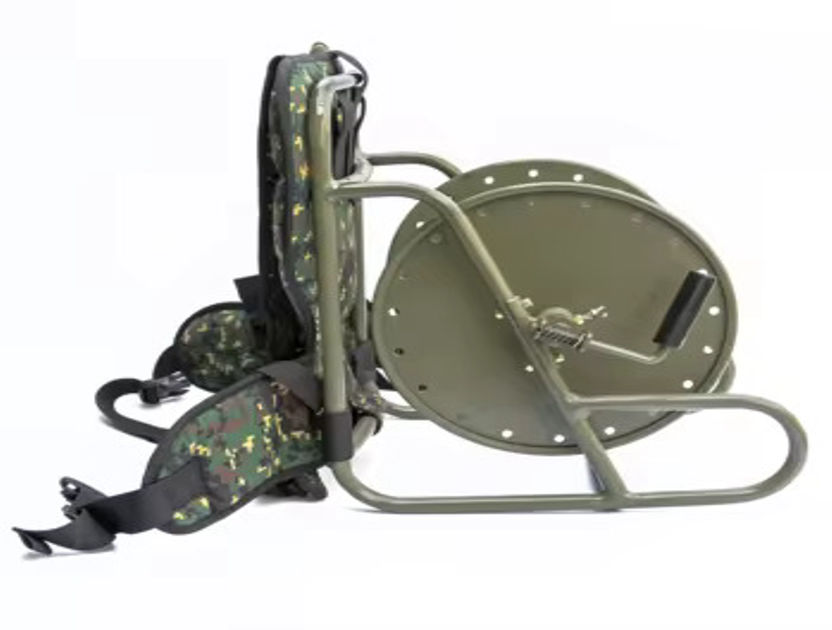
Give the length per assembly and the number of assemblies, or the total route length if you want us to split it. Then the reel: man-portable reels, drum reels with frames, or bare drums. Panel-mount receptacles on the reel hub let you connect equipment without unwinding the whole cable.
6. Environment
Operating and storage temperatures, UV exposure, water (rain, immersion), fuels and oils, and the IP rating required mated and unmated. In a tactical assembly the jacket and connector sealing usually set the limits.
7. Testing and documentation
Ask for insertion loss for every fiber at the operating wavelengths (1310 and 1550 nm for single-mode), with the pass limit stated, plus end-face inspection and a serial-numbered test report with each reel.
RFQ checklist
- Fiber type and count, including spares
- Cable construction, jacket and armor
- Connector at each end, plug or receptacle, caps
- Length per assembly and quantity
- Reel or drum type
- Environment and IP rating
- Test report contents
Send it to us
Telespace builds tactical fiber assemblies and reels in Mumbai and ships them to India, the US, the UK and Europe. Send the checklist, a drawing or a photo of what you use today, and we will reply with options and a quote.