
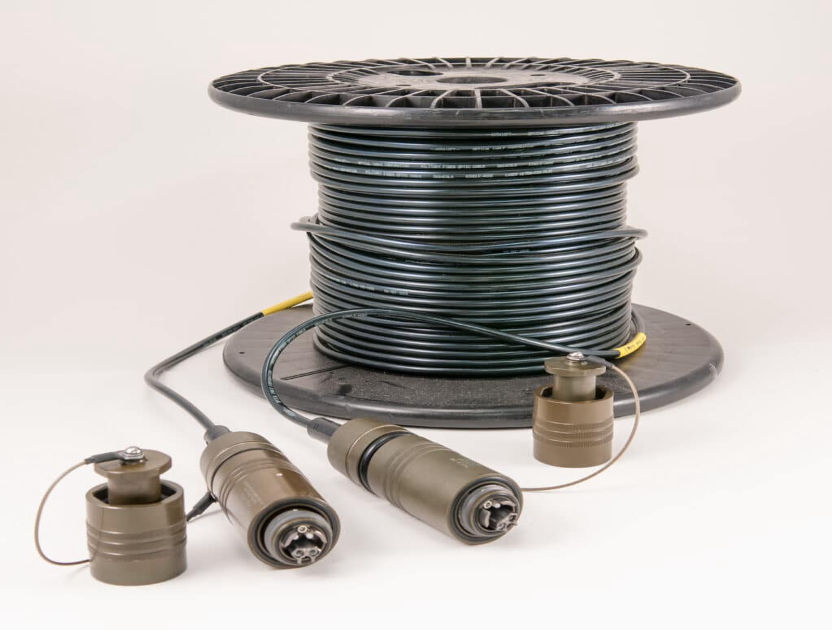
Fiber Optic Harnesses and Optical Systems
Multi-branch fiber harnesses built to your drawing and tested leg by leg.
A fiber optic harness is a pre-built bundle of fiber legs with breakouts and mixed connectors, made to route through a vehicle, shelter, ship or equipment rack in one piece. Telespace builds harnesses to your drawing, in single-mode or multimode, with rugged circular, expanded-beam or LC, SC, ST and FC connectors, and tests every leg before dispatch.
- Build
- To drawing
- Branches
- Multi-leg breakouts
- Fiber
- SM or MM
- Connectors
- Mixed per leg
- Tested
- Every leg
- Labelling
- Your scheme
Built in Mumbai and shipped to the US by express air freight, door to door, with DAP or DDP terms on request.
What it is
A fiber optic harness is a single, pre-built assembly that carries several fiber legs from one place to many. Where a set of separate patch cords would need to be routed and labelled one by one, a harness arrives as one piece with every branch at the right length and every connector already fitted.
We build harnesses for vehicles, shelters, ships and rugged equipment racks. A typical example has a rugged circular connector at a bulkhead, a protected trunk, and branches that break out to LC, SC, ST or FC connectors on individual units. Fiber can be single-mode or multimode, and the connector on each leg can differ.
How we build it
Every harness starts from a drawing. We lay out the trunk and branches on a build board to your dimensions, cut and route the fiber, and form each breakout with a transition and boot that takes routing loads away from the fiber. Each leg is terminated, epoxied, cured and polished, and the end-face is inspected under magnification.
Each leg is then tested for insertion loss and the result is recorded against its label. Branches are sleeved or jacketed for the environment, and the finished harness is labelled to your scheme, capped and packed so it can be fitted straight away.
Where it is used
- Equipment interconnects inside military vehicles and shelters
- Consoles and equipment racks on ships
- Rugged communication and sensor systems built by system integrators
- Control and protection panels in power installations, where fiber gives electrical isolation
Configuring your order
To quote a harness we need:
- Drawing or sketch with trunk length, branch lengths and breakout positions
- Fiber count and type per leg: single-mode OS2, multimode OM3 or OM4
- Connector on every leg, including polish for single-mode
- Jacket and protection: polyurethane, LSZH, armor, sleeving or tubing
- Labelling for each leg
- Quantity, and whether you need a first-article sample before the batch
We can also supply the field cables and reels that connect to the harness, so the whole system arrives tested together.
Specifications
Technical specifications
| Fiber types | Single-mode OS2, multimode OM3 or OM4 |
|---|---|
| Insertion loss | Typically <= 0.3 dB per mated pair for LC, SC, ST, FC (SM UPC); rugged connectors per datasheet |
| Layout | Trunk with branches and breakouts at the positions on your drawing |
|---|---|
| Jacket | Polyurethane, LSZH or other per environment |
| Protection | Optional armor, convoluted tubing or braided sleeving on branches |
| Options | MIL circular, expanded beam, LC, SC, ST, FC; different per leg |
|---|
| Strain relief | Breakout transitions and boots sized to the branch |
|---|
| Ratings | Set by the jacket and connectors chosen; confirm per build |
|---|
Values are typical. Every assembly is built to order, so final figures are confirmed on your quote and test report.
Configure
Build it to your link
- 01
Equipment harness
Routes fiber between several units inside a vehicle, shelter or rack.
- 02
Bulkhead harness
Rugged circular connector at a panel, fanning out to equipment connectors inside.
- 03
Pre-configured system
Harness plus field cables and reels supplied as one tested set.
What you get
- Built to your drawing, with branch lengths and breakout positions set by your layout
- Different connector type on each leg where the equipment needs it
- Jacket and sleeving chosen for heat, moisture, UV and abrasion
- Strain relief at every breakout so routing loads stay off the fiber
- Every leg inspected and insertion loss tested, results recorded against labels
- Labelled to your scheme so installers fit it without tracing fibers
Applications
Where it is used
- Vehicle and shelter equipment interconnects
- Shipboard equipment racks and consoles
- Rugged communication and sensor systems
- Control and protection panels in power installations
Industries served
FAQ
Questions buyers ask
What information do you need to quote a harness?
A drawing or sketch showing the trunk, each branch and its length, the connector on every leg, fiber type and count, jacket or sleeving, and labelling. If you have an existing harness, photos and markings help.
Can each leg have a different connector?
Yes. A harness can combine a rugged circular connector at a bulkhead with LC, SC, ST or FC legs going to individual equipment.
How are harnesses tested?
Every leg is inspected for end-face condition and tested for insertion loss before dispatch, and results are recorded against the leg label.
Related products
All tactical assemblies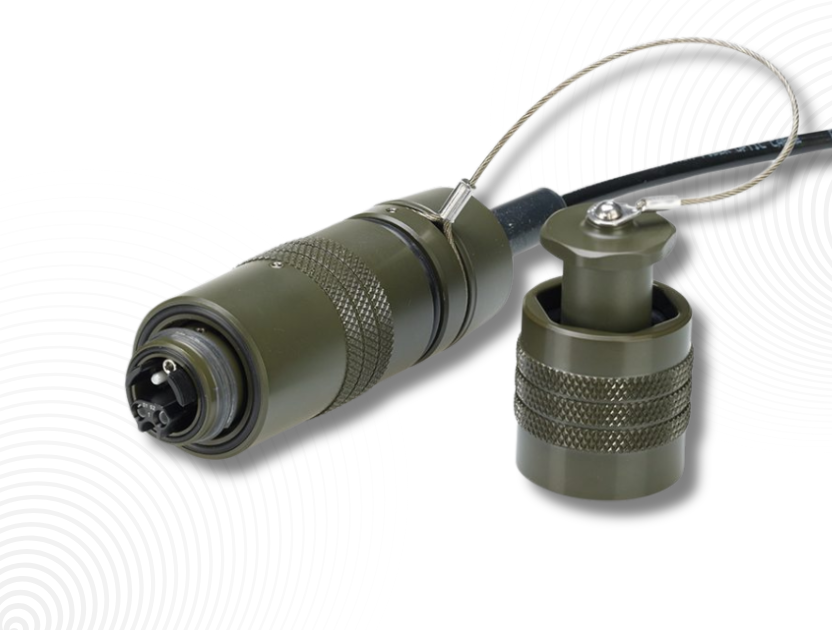 Fiber
MIL-Aero Fiber Optic Cable Assemblies
Rugged fiber assemblies for airframes, vehicles, ships and field systems.
- FiberSM or MM
- Connectors38999, TFOCA-style, LC, SC, ST, FC
- JacketPU, LSZH or fluoropolymer
 Fiber
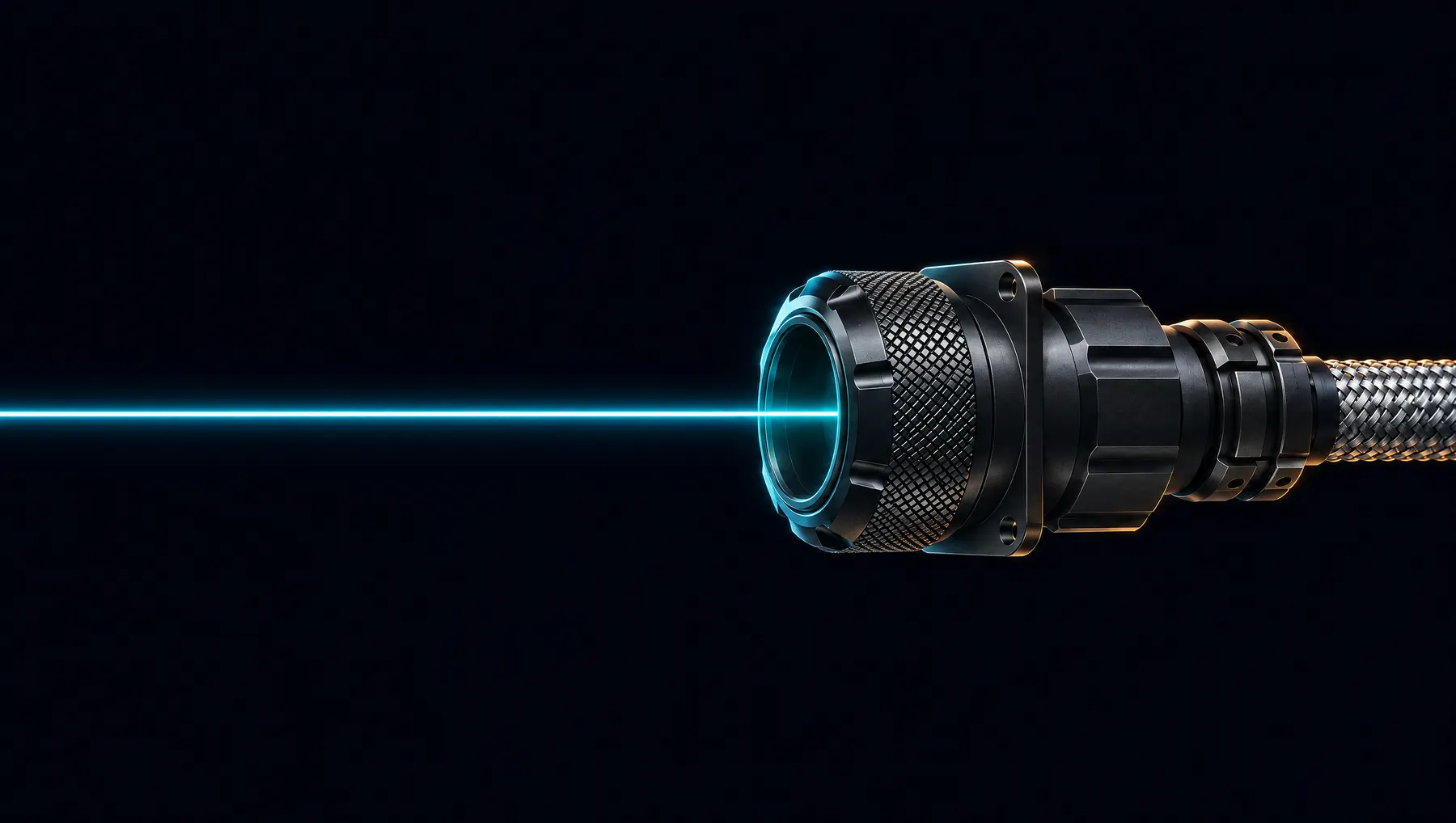
MIL Circular Fiber Connector, 4 to 48 Channels
Up to 48 fibers through one rugged circular connector.
- Channels4 to 48
- Cable ODUp to 7.5 mm
- ReceptacleMicro receptacle
 Fiber
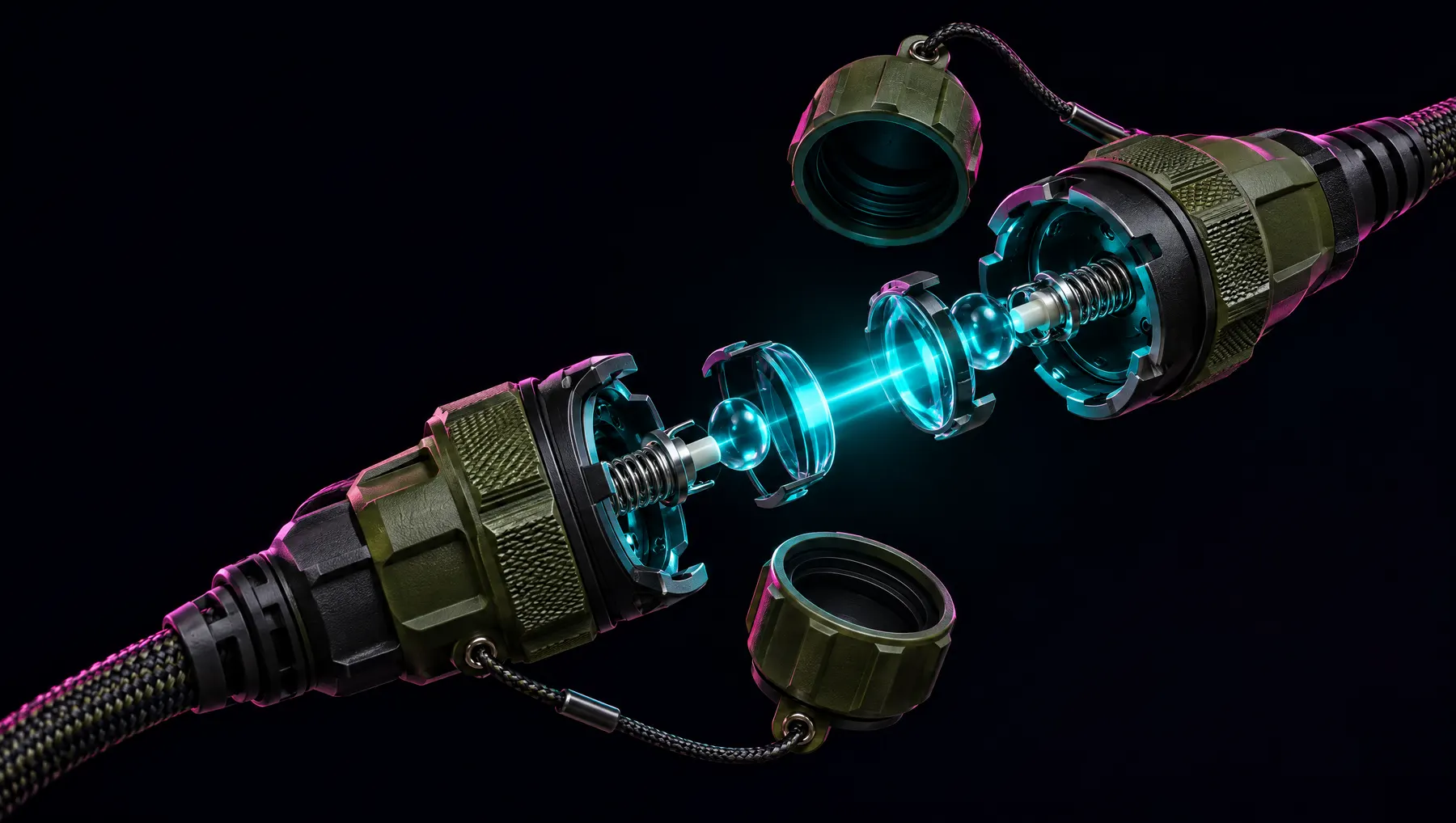
Expanded Beam Fiber Optic Connectors
Lens-coupled connectors that keep working in dirt, mud and rain.
- CouplingLens, non-contact
- MatingHermaphroditic
- ChannelsSingle or multi
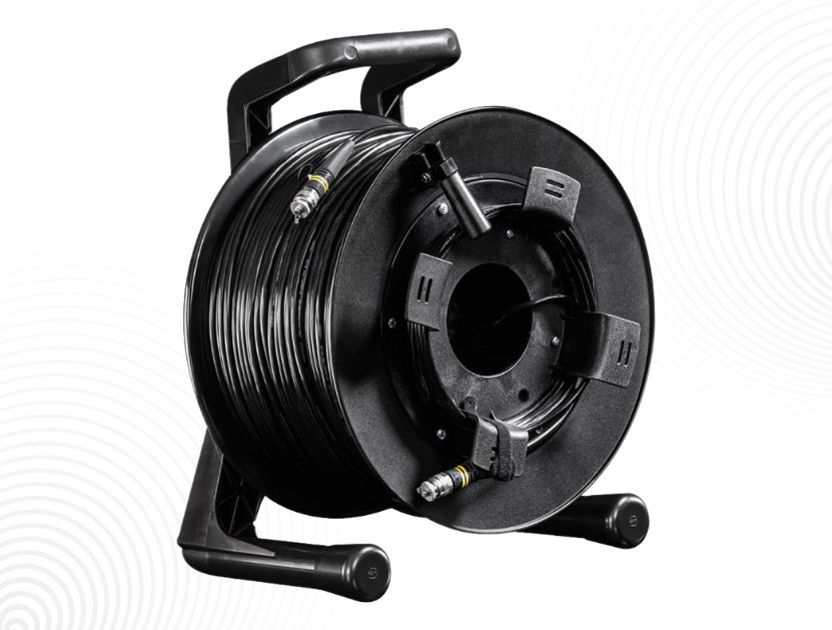 Fiber
Tactical Fiber Optic Cable Reels
Fiber that pays out in minutes and winds back for the next job.
- Length100 m standard
- FiberSingle-mode
- SealingIP67 cap, plug, receptacle
Request a quote
Quote for Fiber Optic Harnesses and Optical Systems
Send the length, connectors each end and quantity, or attach a drawing. An engineer replies within one business day with options and a price.
Built in Mumbai and shipped to the US by express air freight, door to door, with DAP or DDP terms on request.